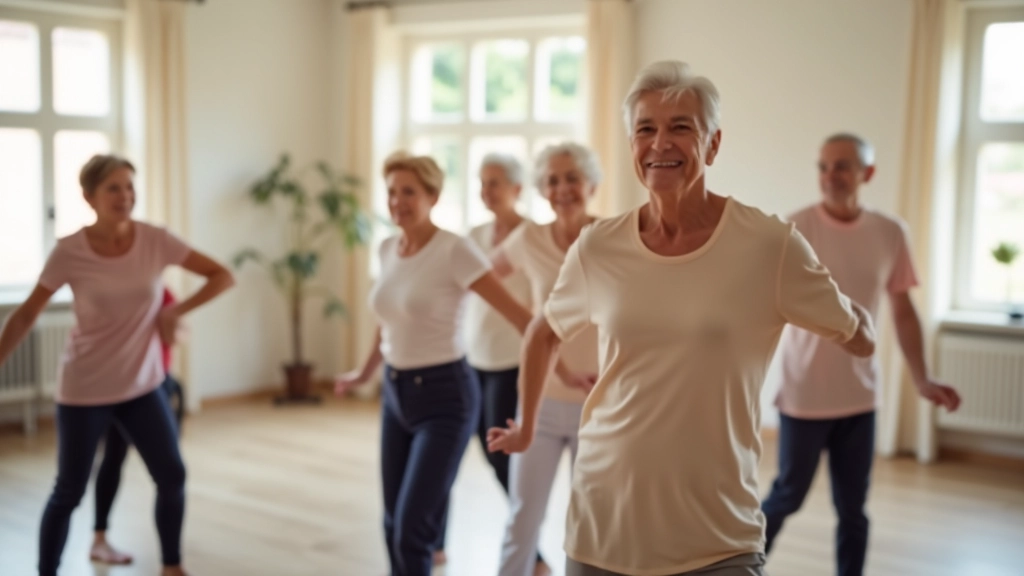


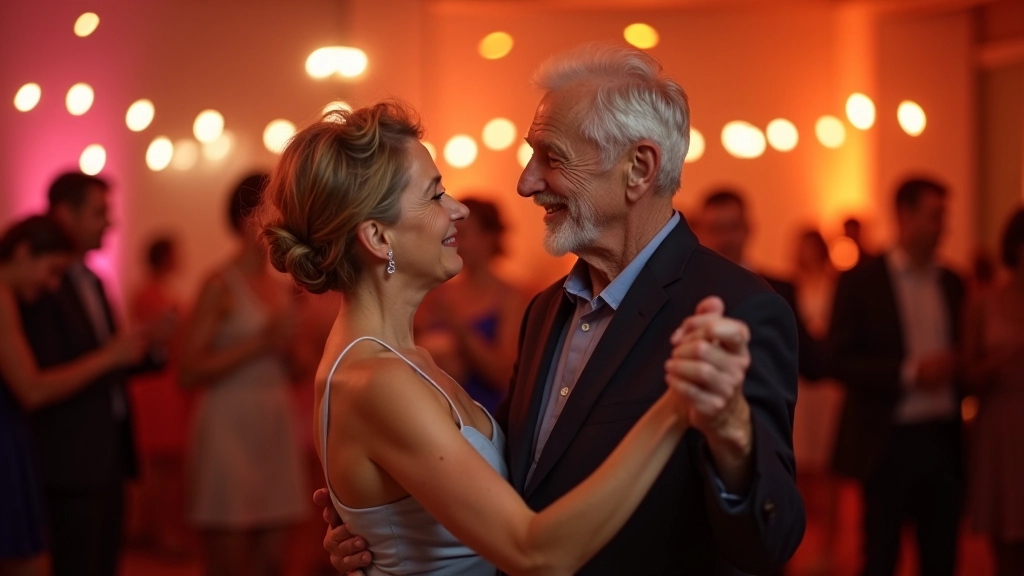
Weekly Dance Socials: What to Expect and How to Join
Everything about attending your first social dance night. From what to wear and how to ask someone to dance, to what the evening actually feels like when you walk in the door.
Read MoreLearn the fundamental step patterns, rhythm, and frame so you can start confidently at your first social dance.
Bachata doesn't require years of dance experience to learn. You don't need perfect coordination or natural rhythm — you just need to show up and be willing to practice. The beauty of bachata is that it's genuinely accessible. Within a few sessions, you'll start feeling the music and moving with confidence.
We've taught hundreds of people from complete beginners to experienced dancers, and the pattern is always the same. Week one feels awkward. By week three, you're actually enjoying it. By week six, you'll wonder why you didn't start sooner.
Bachata starts with what we call the basic box step or side-to-side step. It's exactly what it sounds like — you're moving side to side rather than forward and backward. This is different from many other dances, which makes it feel fresh for people switching from salsa or other styles.
Here's how it breaks down: Step to the side with your left foot (count 1), bring your right foot to meet it (count 2), tap your left foot in place (count 3). Then reverse — step right (count 5), bring left to meet it (count 6), tap right in place (count 7). You're essentially creating a gentle swaying motion, almost like you're bouncing slightly to the music.
The key is that count 4 and 8 are always silent. You don't step on those beats — you're just staying in place, feeling the music. This creates the characteristic bachata rhythm that makes the dance so recognizable.

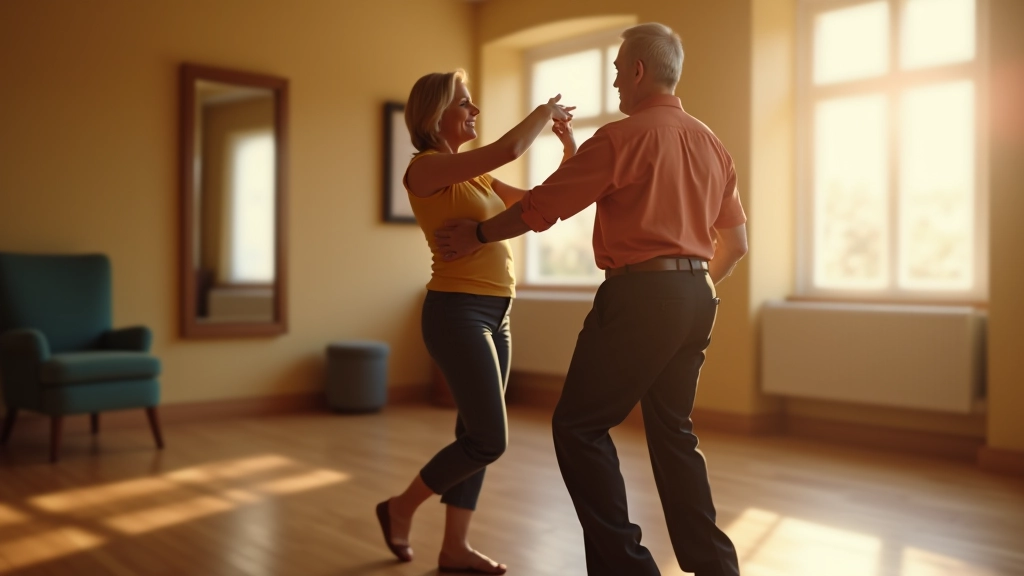
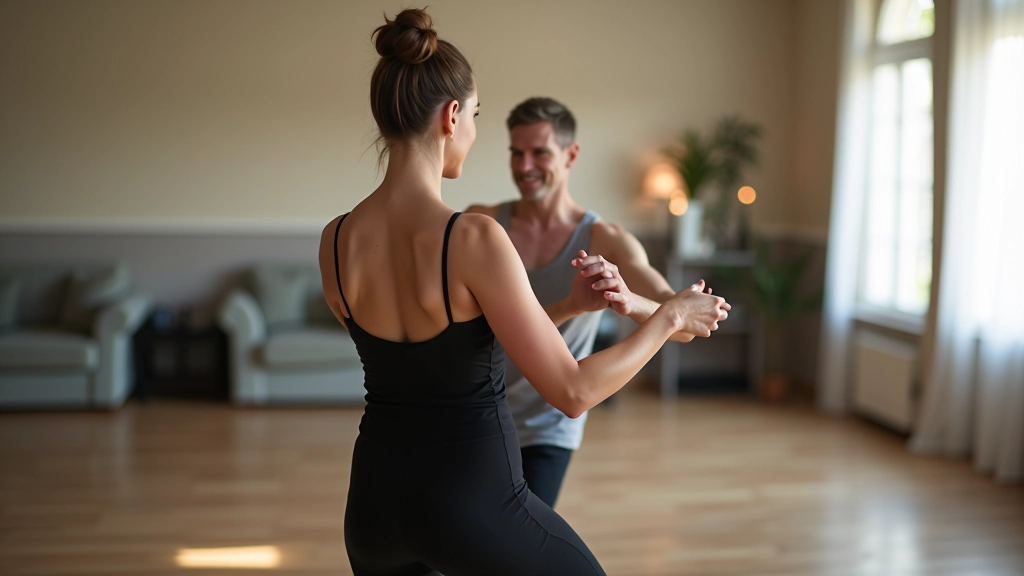
Frame is everything in bachata. Unlike salsa where you might hold someone more formally, bachata is intimate and close. Your connection with your partner isn't about rigid arms — it's about subtle communication through your torso and hands.
If you're following, your left hand rests on your partner's right shoulder or upper back. Your right hand holds their left hand at about shoulder height. Don't lock your elbows or grip tightly. The connection should feel like you're gently resting against them, not holding on for dear life.
Leaders, you're not pulling your partner around. You're inviting them to move with you through slight pressure and body movement. It's a conversation, not a command. Most beginners make the mistake of over-leading. The subtler you are, the better your partner can feel what's coming next.
Bachata music is typically in 4/4 time, but what makes it distinctive is where the accent falls. You'll hear the strong beat on 1 and 5, with a lighter pulse on 3. Once you train your ear to hear this, everything becomes easier.
The hip movement in bachata comes naturally once you understand the step. You're not forcing your hips to move — they move as a result of stepping side to side. When your weight shifts to your left leg, your hip settles onto your left side. The motion is smooth and continuous, like you're drawing a gentle figure-8 with your hips.
Don't overthink the counting. Listen to a few bachata songs and feel where the beat naturally sits in your body. Most people find it helpful to tap their foot on the 1 and 5 for a few weeks until it becomes automatic.
You'll learn the basic step in isolation. It'll feel awkward. Your feet might feel heavy. Everyone feels this way — it's completely normal.
The step starts to feel less clunky. You'll practice it with a partner and realize how much counting changes when someone else is moving with you.
Something clicks. The music makes sense. You're actually dancing now, not just thinking about your feet.
You're ready for a social dance event. You'll know the basic, you understand the music, and you're confident enough to try new partners.
Keep your steps small and controlled. You're moving side to side, not traveling across the floor. Small steps give you better balance and make it easier for your partner to follow.
Bachata is slow and sensual. Don't try to dance quickly just because you're nervous. The slower you move, the easier it is to feel the connection and make adjustments.
Keep your shoulders relaxed and down. Tension in your shoulders makes it harder for your partner to feel your movement and makes you look uncomfortable.
That weight tap on counts 3 and 7 is crucial. It's what makes bachata look smooth and polished. Don't skip it or rush through it.
The truth is, everyone starts as a beginner. The couple you see dancing smoothly at a social event? They were nervous on their first night too. What separates people who succeed from those who give up is simply showing up consistently and being patient with themselves.
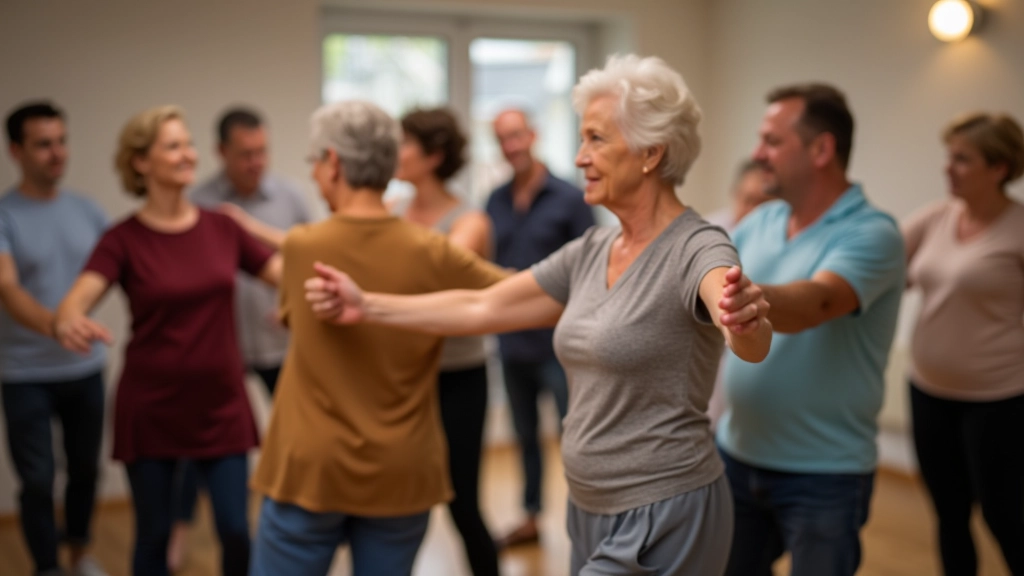
Bachata is one of the most welcoming dance communities you'll find. Dancers look out for each other, beginners get encouragement, and there's genuine joy in learning together. You'll develop friendships, gain confidence, and discover that you're capable of more than you thought.
Ready to join your first social or take a class? Start with the basics, trust the process, and enjoy the journey.
Explore Weekly Dance SocialsLearning bachata is about understanding the basic step, feeling the rhythm, and developing connection with your partner. These fundamentals aren't complicated, but they do require practice and patience. Don't rush the process. Dance at your own pace, enjoy the learning experience, and remember that every expert dancer started exactly where you are now.
This article provides educational information about bachata dance techniques for beginners. The guidance shared here is based on common dance instruction practices. Individual learning experiences vary, and we recommend consulting with a qualified dance instructor in person to ensure proper technique and prevent injury. This information is not a substitute for professional instruction or medical advice. Always listen to your body and work within your physical capabilities.