Why Dance Changes Everything
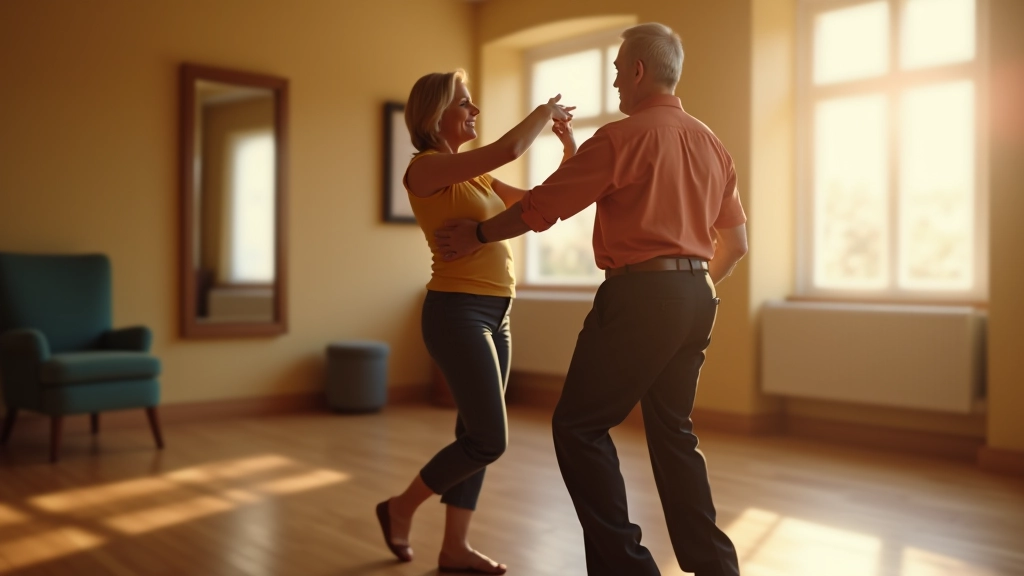
If you're looking for an activity that's good for your body and mind, you don't need to search much further than the dance floor. Dance is one of those rare activities where you're getting real physical benefits while having genuine fun at the same time. It's not a chore. You're not forcing yourself through it.
Research from gerontology centers shows that adults over 55 who dance regularly have better cardiovascular health, improved balance, and stronger bones than their non-dancing peers. But it goes deeper than that — the social connection and mental engagement matter just as much as the physical movement.
Physical Health Benefits
Your cardiovascular system gets a real workout when you're dancing. A 30-minute session of moderate-intensity dance burns 150-250 calories depending on your pace and style. That's comparable to brisk walking or light jogging, except you're enjoying music and movement instead of watching the clock.
Balance and coordination improve dramatically. Dancing requires you to shift your weight, change direction, and coordinate your upper and lower body. These are exactly the movements that help prevent falls — a major health concern for older adults. Studies show that dancers aged 60-80 have significantly better balance scores on standard assessments.
Your joints stay mobile and flexible. Dance movements involve a full range of motion through your hips, knees, shoulders, and spine. This consistent, gentle movement keeps joints lubricated and maintains flexibility without the impact stress of running or high-impact exercises.
Mental Health and Social Connection
Here's what many people don't expect — the mental health boost is just as real as the physical one. You're concentrating on steps, rhythm, and your partner. That focused attention pulls you out of repetitive thought patterns and worry. It's a form of mindfulness that doesn't require sitting still.
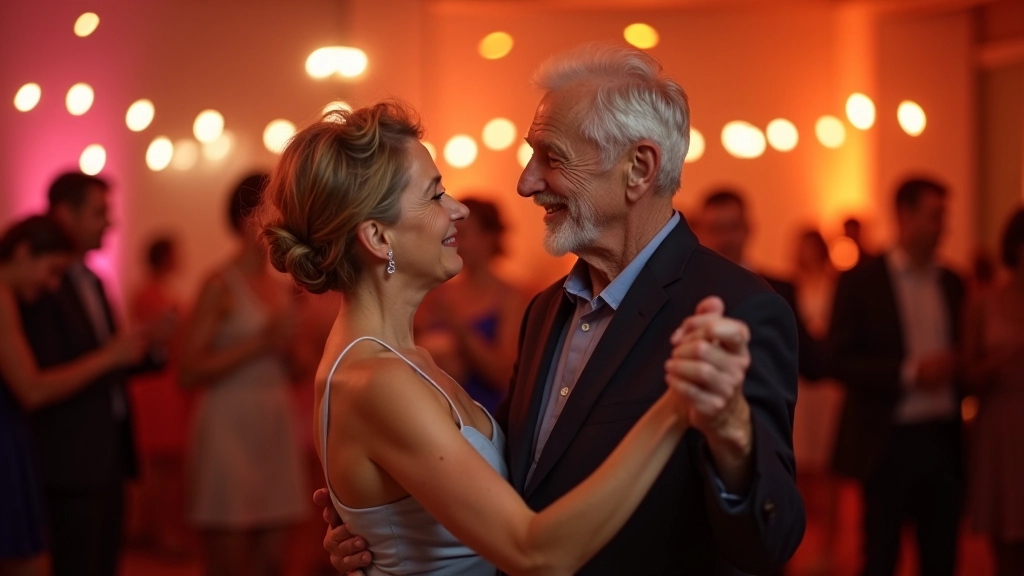
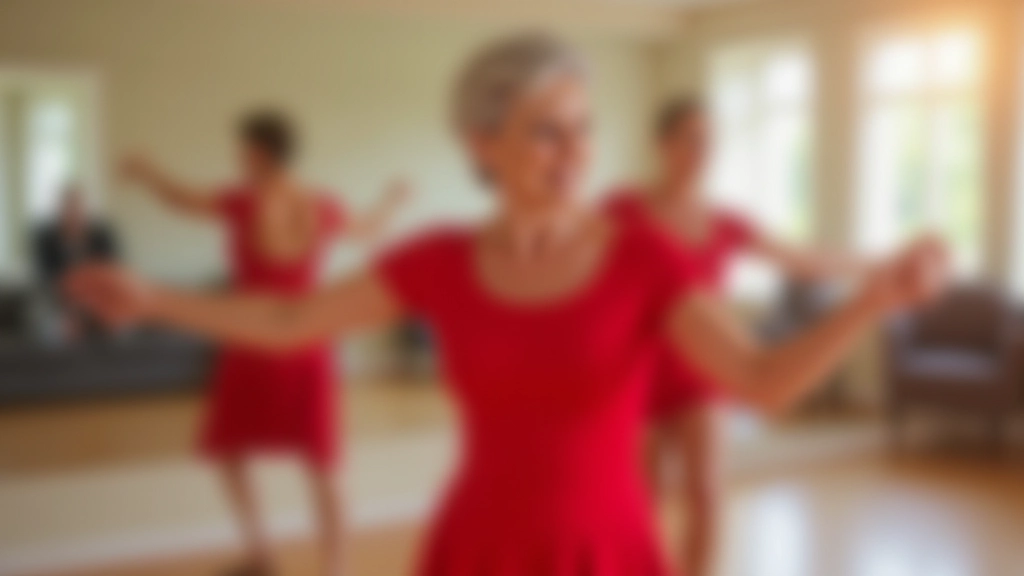
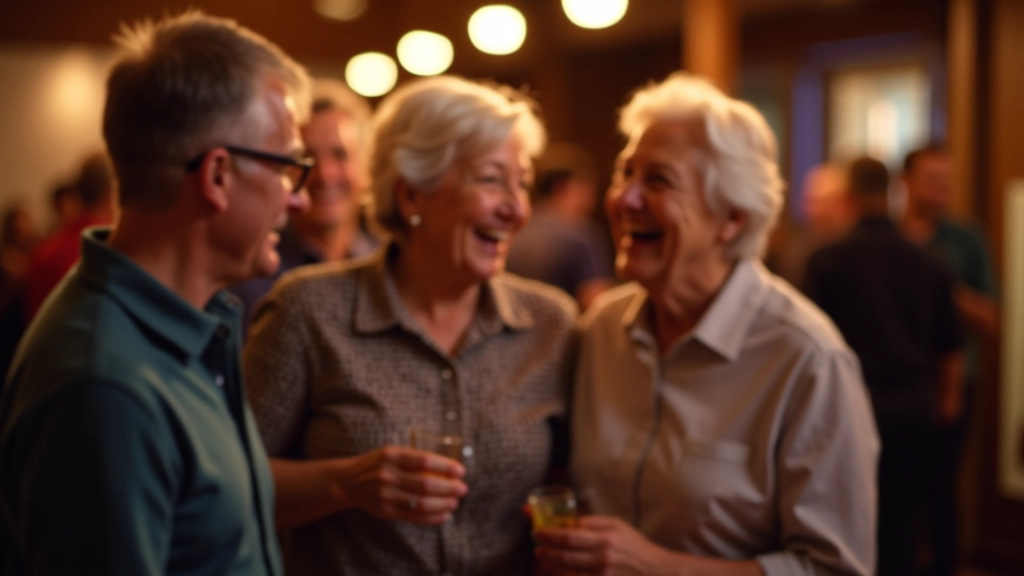
The social aspect matters tremendously. Dance socials aren't solitary activities. You're interacting with partners, making eye contact, moving together. Regular dancers report feeling less isolated and more connected to their community. The Tuesday and Thursday socials in Tallinn, for example, have built genuine friendships among participants — some attending for over five years.
Cognitive function stays sharp. Learning new patterns, remembering sequences, and coordinating with a partner all engage your brain. Neuroplasticity research shows that people who dance regularly have better memory retention and mental processing speed compared to sedentary adults.
The Real Numbers
- Dancers aged 60+ have 30% better balance scores than non-dancers
- A single dance session can elevate heart rate to 70-80% of maximum capacity
- Regular dancing reduces fall risk by up to 40% in older adults
- Social dance participation correlates with 35% lower depression rates
Getting Started at Your Level
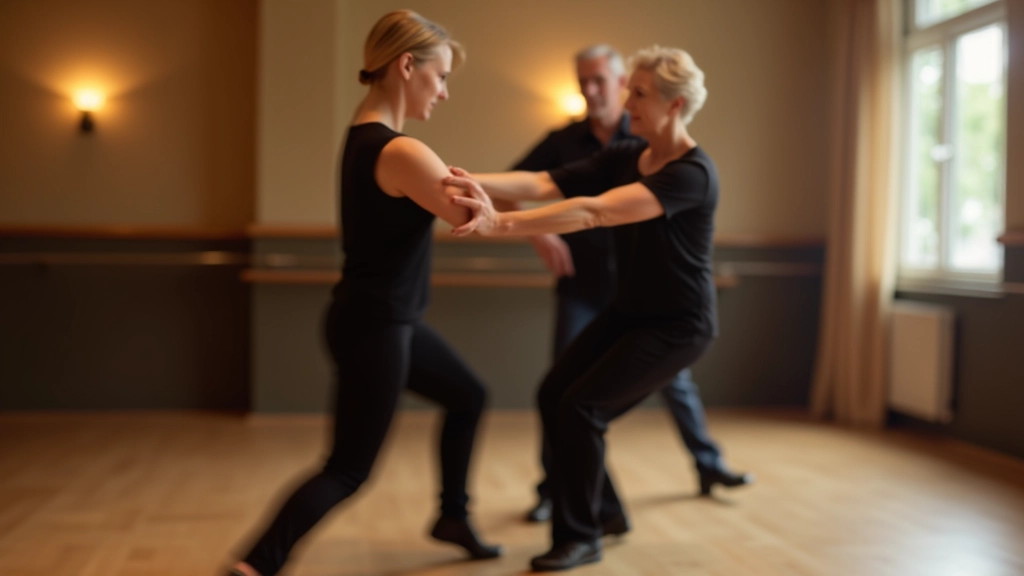
You don't need any experience to start. That's the beautiful part. Most community dance programs have beginner sessions specifically designed for people who've never danced before. The instructors understand that your body might need a few weeks to adjust to new movements — and that's completely normal.
Bachata and salsa are the most common styles at social dances because they're welcoming to beginners. The basic step pattern takes maybe 15 minutes to grasp. Within a few weeks of regular practice, you'll feel confident enough to enjoy social events without overthinking every movement.
Pärnu's summer dance events run June through August and offer everything from beginner workshops to social nights. You can attend classes during the day and then join evening socials if you want. No pressure to perform or compete — it's purely about enjoying the activity at whatever level you're at.
The Bottom Line
Dancing gives you real, measurable health benefits — cardiovascular improvement, better balance, stronger bones, and sharper cognition. But it also gives you something harder to measure: joy, connection, and purpose. You're not exercising because you think you should. You're doing something you actually want to do, with people you enjoy spending time with.
If you've been looking for a reason to stay active, dance might be exactly what you've been waiting for. It doesn't require special equipment, a gym membership, or intense physical strain. It just requires showing up and being willing to move to music with people who get it.